
As a pet owner, it can be stressful when your furry friend is not feeling well. You want to make sure they receive the best care possible, and that includes accurate and timely diagnosis. That’s where veterinary diagnostic care comes in. With the use of advanced tools and technology, we can quickly and accurately diagnose your pet’s health issues.
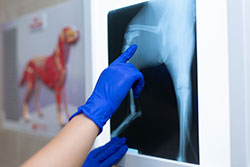
Pet X-rays, also known as radiographs, are one of the most commonly used diagnostic tools in veterinary care. They use electromagnetic radiation to produce images of the inside of your pet’s body.
X-rays are particularly useful for detecting:
Preparing for a Pet X-Ray
Before the procedure, we may ask you to fast your pet for a few hours. This is to ensure that there is no food or gas in their stomach that could interfere with the x-ray images. You may also be asked to remove any collars, tags, or other metal objects from your pet’s body.
What to Expect During the Procedure
The pet X-ray procedure is a quick and painless process for your pet. We will first place your pet on a table or in a special holder to keep them still during the x-ray. Depending on the area being examined, your pet may need to be sedated to ensure they stay still. The x-ray machine will then be positioned over the area of interest and a technician will take the x-ray. The entire process usually takes less than 10 minutes.
After the Procedure
After the X-ray, we will review the images and discuss the results with you. If any abnormalities are found, further testing or treatment may be recommended.
In-house laboratory testing is a valuable tool in veterinary diagnostic care. It allows us to quickly and accurately diagnose your pet’s health issues without having to send samples to an outside lab. This means that treatment can begin sooner, leading to a faster recovery for your pet. In-house laboratory testing can include blood work, urine analysis, and fecal exams. These tests can help detect infections, organ dysfunction, and other health issues.
Parasite Testing
Parasite testing is the process of analyzing a sample of your pet’s feces or blood to check for the presence of parasites. These parasites can include worms, protozoa, and other organisms that can cause harm to your pet’s health. Testing is important because many parasites do not show obvious symptoms until they have already caused damage to your pet’s health.
Heartworm/Lyme/Ehrlichia/Anaplasma SNAP Testing
The heartworm-lyme-ehrlichia-anaplasma SNAP test is a simple and effective way to test your pet for three common tick-borne illnesses, (Lyme disease, Ehrlichia, and Anaplasma) and one mosquito-born illness (heartworm). It is a rapid, in-house test that can provide results in just a few minutes, making it a convenient option for both pet owners and our team.
The SNAP test is a simple and non-invasive procedure. A small blood sample is taken from your pet, usually from a vein in the leg or neck. The sample is then placed on a test strip, which contains antigens for each of the four diseases being tested for.
FIV/FeLV Snap Testing
FIV (feline immunodeficiency virus) and FeLV (feline leukemia virus) are two common viruses that can affect cats. These viruses can weaken your cat’s immune system and make them more susceptible to other illnesses. FIV/FeLV Snap testing is a simple blood test that can detect the presence of these viruses in your cat. Early detection is key in managing these viruses and providing the best care for your cat.
Urinalysis
Pet urinalysis is a diagnostic test that examines a sample of your pet’s urine to evaluate their overall health. It is a non-invasive and painless procedure that can provide valuable insights into your pet’s well-being. By analyzing your pet’s urine, we can detect early signs of potential health problems and provide timely treatment.
Additionally, pet urinalysis can also be used to monitor the effectiveness of a current treatment plan and track any changes in your pet’s health over time.
There are a few different methods for collecting a urine sample from your pet, depending on their size and behavior. For dogs, a clean, empty container can be held under them as they urinate. For cats, a non-absorbent litter can be used to collect a sample from their litter box.
In some cases, we may need to collect a urine sample directly from your pet’s bladder using a needle and syringe.
Phone: 518-398-9494