2826 Church Street, Pine Plains, NY 12567

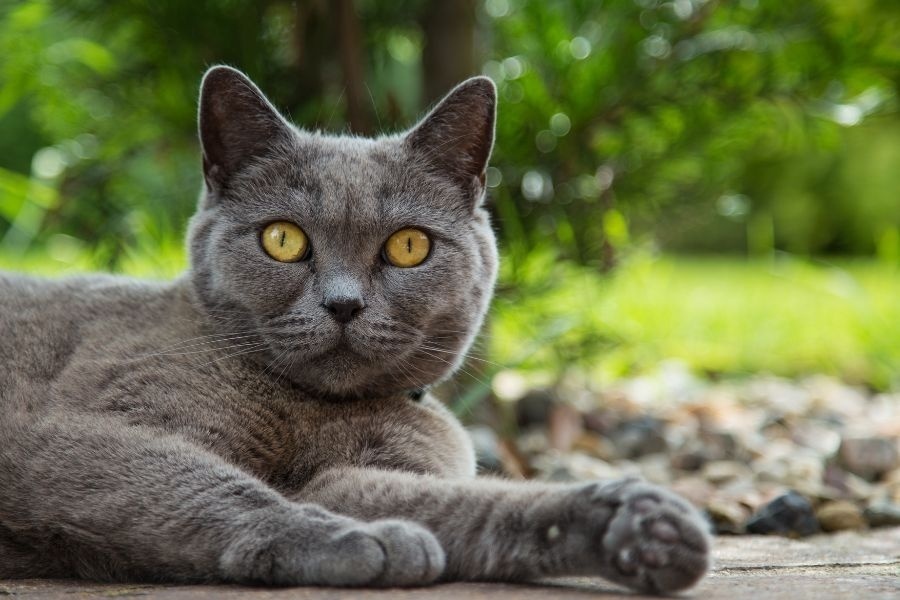
Your cat used to inspect every bag, shelf, and open door. Now she spends most of the day curled in one spot. That shift is common, and it doesn’t mean her curiosity is gone for good. Good senior cat care includes keeping her mind busy, and knowing when to talk with a veterinarian near me when quiet behavior might be more than aging. For cat owners in Pine Plains, a few simple habits can bring back some of that spark.
Why Aging Cats Lose Interest in Exploring
A cat who stops exploring is often telling you something about how she feels. The cause is frequently physical, not a lack of curiosity.
Arthritis is a leading culprit. Cats rarely limp, so sore joints show up as skipped jumps, avoided stairs, or a favorite perch left unused. Dental pain can make a cat withdrawn, and weaker eyesight or hearing can make a familiar home feel unpredictable. A cat who can’t be sure what’s around the corner may decide staying put is safer.
Medical conditions play a part as well. Kidney disease, an overactive thyroid, and high blood pressure can all drain energy or change behavior. Even mild nausea can make a cat less interested in the world around her.
Age itself brings gentler changes. Many cats sleep more, play in shorter bursts, and prefer routine over novelty. That’s normal. What matters is the pattern. Gradual slowing is expected, while a sudden drop in curiosity, appetite, or grooming deserves attention.
The encouraging part is that even a cat who moves less can stay mentally engaged. Her brain still needs challenges, smells, and small surprises, just at a pace her body can manage.
Gentle Ideas to Boost Senior Cat Care and Brain Health
Think of enrichment as a menu of small, low-effort activities. Offer one or two at a time, and let your cat choose what she likes.
Food-based games are a great place to start, since they tap into natural hunting instincts without demanding much movement. Try:
- Puzzle feeders or treat balls with easy settings
- Kibble scattered in a shallow muffin tin or on a snuffle mat
- A few treats hidden in cardboard boxes or paper bags
- Small meals offered in different spots around a room
Scent is another powerful tool. Many cats enjoy catnip, silvervine, or cat-safe grass, and some respond to a blanket that smells like a new place. Introduce new scents slowly so she isn’t overwhelmed.
Sights and sounds count too. A bird feeder outside a window, a perch with a view, or a video made for cats can hold her attention for a while. Soft music or gentle talking may also be comforting.
Short training sessions can be surprisingly effective. Using a clicker and tiny treats, many senior cats can learn to touch a target, come when called, or sit for a reward. Learning something new keeps the brain working, and it gives you quality time together.
Rotate toys every week so familiar items feel fresh, and keep play sessions to five or ten minutes. If she walks away, that’s her signal to stop. A good rule is to end while she’s still interested.
Making Your Home Easier to Explore
Sometimes a cat stops exploring because the house has become hard to navigate. A few adjustments can make exploring feel safe and rewarding again.
Add pet steps or ramps beside favorite spots so she can reach them without a big leap. Place a soft bed in a sunny window, and put food, water, and a litter box on each level of the home. Low-sided litter boxes and non-slip mats on smooth floors reduce strain and build confidence.
Keep the layout predictable. Cats with fading vision or memory depend on familiar landmarks, so avoid moving furniture or her essentials around. A night light in the hallway can help her move through the house after dark.
In homes with more than one pet, make sure your senior has her own resting space and resources. A younger cat who guards the food or the best perch can discourage an older cat from moving around. A quiet room of her own may bring back some adventurous behavior.
Finally, bring the outdoors in. A tray of cat grass, a safe window screen, and a perch with a view give her something to watch, sniff, and think about without needing to travel far.
When to Call a Veterinarian Near Me About Behavior Changes
Slowing down is normal, but some changes should not be dismissed. Consider scheduling a visit if your cat:
- Wanders, cries, or seems lost at night
- Stares at walls or gets stuck in corners
- Has accidents outside the litter box
- Hides more often or stops greeting you
- Eats or drinks much more or less than usual
- Loses weight or stops grooming
These signs can point to pain, illness, or cognitive dysfunction, a condition similar to dementia in people. Many causes are manageable, especially when found early. A veterinarian near me can perform a physical exam and may recommend bloodwork, a urinalysis, and a blood pressure check to look for hidden problems.
Prepare for the visit by writing down what you’ve noticed, including when it happens and how often. Short videos can help a great deal, since cats often act differently in the clinic.
Most veterinarians recommend senior wellness exams about every six months. Cats age quickly, and regular visits create a baseline that makes small changes easier to spot. Waiting until a problem is obvious can mean fewer options, so reach out when something feels off.
Conclusion: Keep Her Curious at Every Age
A quiet senior cat is not a lost cause. With gentle games, easier access around the house, and plenty of calm attention, you can keep her mind active and her days interesting. Consistent senior cat care, paired with regular exams, helps you tell normal slowing from something that needs help.
If you’ve been searching for a veterinarian near me because your aging cat has changed, the team at Pine Plains Veterinary Hospital is here for cat owners in Pine Plains. We can check for underlying causes and build a plan that keeps her comfortable, curious, and connected to you. Trust your instincts, because you know your cat best.
At Pine Plains Veterinary Hospital in Pine Plains, we are committed to helping senior cats stay comfortable, curious, and healthy. Schedule your cat’s visit today and give your pet the care they deserve.
Frequently Asked Questions
Q1. How many hours a day does a senior cat normally sleep?
Ans: Many older cats sleep 16 to 20 hours a day, which is typically normal. Be concerned if her sleep increases suddenly or she seems withdrawn, since that can signal pain or illness.
Q2. How can I tell if my cat is bored or in pain?
Ans: A bored cat usually moves comfortably and reacts to new toys or attention. A cat in pain may avoid jumping, groom less, or flinch when touched. If you can’t tell, a veterinary exam can help sort it out.
Q3. Is catnip safe for older cats?
Ans: Catnip is generally safe for healthy cats of any age and can be a fun way to add stimulation. Offer small amounts, and check with your veterinarian first if your cat has a health condition or takes medication.
Q4. Where can I find senior cat care in Pine Plains?
Ans: Look for a local animal hospital that offers senior wellness exams, diagnostic testing, and clear guidance on behavior changes. Ask how often your cat should be rechecked and how the team supports you between visits.
Q5. Should I adopt a second cat to keep my senior company?
Ans: Not always. Many older cats prefer a calm, predictable home, and a newcomer can add stress. Talk with your veterinarian before deciding, since every cat’s personality and health are different.