2826 Church Street, Pine Plains, NY 12567

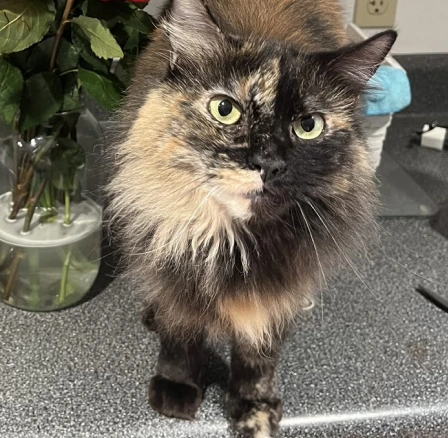
When is My Dog or Cat Considered a Senior?
The age at which a pet is considered a senior can vary depending on their breed and size. Generally, dogs and cats are considered seniors when they reach 7-9 years old. However, larger breeds tend to age faster and may be considered seniors at a younger age. It is important to consult with us to determine when your specific pet should be considered a senior.
Why is Senior Pet Care Important?
As pets age, they become more susceptible to health issues such as arthritis, dental disease, and organ failure. Senior pet care is important because it allows for early detection and treatment of these issues, which can greatly improve the quality of life for your pet. Regular check-ups and screenings can also help prevent or delay the onset of age-related diseases.
Signs of Aging in Pets
As pets age, they may start to show signs of slowing down and may not be as active as they once were. This is a natural part of the aging process and is not necessarily a cause for concern. However, it is important to keep an eye out for any changes in behavior or physical appearance that may indicate a health issue.
Some common signs of aging in pets include:
- Decreased activity and energy levels
- Difficulty getting up or moving around
- Changes in appetite or weight
- Changes in sleep patterns
- Changes in behavior, such as increased irritability or anxiety
- Changes in coat or skin, such as dryness or thinning
- Increased frequency of accidents or difficulty with bladder control
If you notice any of these signs in your pet, it is important to consult with us to determine the cause and develop a plan for managing their health as they age.
What to Expect With Senior Pet Care
Senior pet care may involve more frequent visits to the veterinarian, as well as additional tests and screenings. Your veterinarian may recommend blood work, x-rays, or other diagnostic tests to monitor your pet’s health and catch any potential issues early on. They may also suggest changes to your pet’s diet or exercise routine to accommodate their changing needs.
In addition to medical care, senior pets may also require more assistance with daily activities. This can include help with grooming, mobility, and even bathroom breaks. As a pet owner, it is important to be aware of any changes in your pet’s behavior or abilities and provide them with the necessary support and care.
Arthritis in Senior Pets
One of the most common health issues that senior pets face is arthritis. Arthritis is a degenerative joint disease that causes inflammation and pain in the joints. It is more common in older pets, but can also affect younger animals.
Some signs of arthritis in pets include:
- Difficulty getting up or moving around
- Limping or favoring certain limbs
- Stiffness or reluctance to move
- Changes in behavior, such as increased irritability or aggression
- Changes in appetite or weight
- Changes in sleep patterns
If you suspect that your pet may be suffering from arthritis, it is important to consult with us. We may recommend x-rays or other diagnostic tests to confirm the diagnosis and develop a treatment plan.
Senior Pet Pain Management
There are several ways to manage pain in senior pets, including:
Medications
One of the most common methods of pain management in senior pets is through medication. We may prescribe pain relievers or anti-inflammatory drugs to help alleviate your pet’s discomfort. It is important to follow your veterinarian’s instructions and monitor your pet for any side effects.
Supplements
In addition to medication, there are also supplements available that can help with pain management in senior pets. Glucosamine and chondroitin are commonly used to help with joint pain and can be found in many pet-specific supplements. Omega-3 fatty acids can also help with inflammation and joint pain.
Physical Therapy
Just like humans, pets can benefit from physical therapy to help manage pain. We may recommend exercises or stretches that can help improve your pet’s mobility and reduce pain. We may also refer you to a certified animal physical therapist for more specialized treatment.
Weight Management
Excess weight can put added strain on your pet’s joints and exacerbate pain. It is important to monitor your senior pet’s weight and make adjustments to their diet and exercise routine as needed. Consult with us for recommendations on the best diet and exercise plan for your pet.
Environmental Modifications
Making small changes to your pet’s environment can also help with pain management. For example, providing a soft and supportive bed can help alleviate joint pain. Ramps or stairs can also be used to help your pet access higher surfaces without putting added strain on their joints.
Senior Pets and Dental Care
As pets age, they may also experience dental issues, such as gum disease, tooth decay, and tooth loss. These issues can be painful and can also lead to other health problems if left untreated.
It is important to maintain good dental hygiene for your senior pet, including regular brushing and dental cleanings. Your veterinarian may also recommend a special diet or dental treats to help keep your pet’s teeth clean and healthy.
If your pet is showing signs of dental issues, such as bad breath, difficulty eating, or drooling, it is important to consult with us. We may recommend a dental cleaning or other treatment to address the issue and prevent further complications.