2826 Church Street, Pine Plains, NY 12567

When a cat undergoes surgery, owners naturally hope that one procedure will resolve the problem completely. However, some conditions require additional treatment after the initial operation. A second procedure may be recommended because healing has not progressed as expected, the original condition has returned, or laboratory results reveal a problem that needs further attention.
Understanding why additional cat surgery may be necessary can help owners feel more prepared if their cat needs continued treatment. A second procedure does not automatically mean the first operation failed. In some cases, it is a planned part of treatment, while in others, it addresses a complication or an unexpected finding. At Pine Plains Veterinary Hospital in Pine Plains, NY, veterinary guidance can help cat owners understand their options and support their pets throughout the recovery process.
Why Might a Cat Need Another Surgery?
The need for a second procedure depends on the original diagnosis, the type of operation performed, and how the cat responds afterward. Some conditions are complex and cannot always be fully addressed during one operation. Others require follow-up treatment when new information becomes available.
Veterinarians generally recommend another procedure when it offers a clear medical benefit, such as removing remaining abnormal tissue, repairing a problem, or treating a complication. Before proceeding, the veterinary team evaluates the cat’s current condition and considers whether another operation is the most appropriate option.
Incomplete Removal of Abnormal Tissue
One reason a cat may need another procedure is that the initial surgery did not remove all the abnormal tissue. This can occur when a growth extends into surrounding structures or when its full boundaries are difficult to determine during the first operation.
For example, a mass may appear localized during surgery, but laboratory analysis can reveal that abnormal cells extend to the edges of the removed tissue. These findings do not always mean that another operation is necessary. The decision depends on the type of tissue involved, the risk of regrowth, the tumor’s behavior, and the cat’s overall health.
In selected cases, additional surgery may be recommended to remove remaining abnormal tissue and improve local disease control. The veterinarian may also discuss monitoring, further diagnostic testing, or referral to a specialist.
When a Surgical Problem Returns
Some conditions can recur after an operation, even when the original procedure was performed appropriately. The underlying disease may continue to develop, or the affected area may be vulnerable to future problems.
For instance, certain masses can grow again, some wounds may reopen, and particular urinary or digestive conditions may return if their underlying causes remain. A second procedure may be considered when the recurring problem can be treated surgically and the expected benefits justify the risks.
Before recommending additional veterinary surgery, the veterinarian investigates why the condition returned. Imaging, laboratory tests, or another physical examination may help determine whether the original problem has reappeared or a different condition is responsible for the symptoms.
Surgical Complications That Require Further Treatment
Although many cats recover without major problems, complications can occasionally develop after surgery. These may require additional treatment, and some situations call for another operation.
Incision Problems
A surgical incision may become infected, separate, or fail to heal as expected. Mild irritation may respond to veterinary wound care and medication, but deeper tissue separation or significant infection may require surgical cleaning or repair.
Owners should monitor the incision according to the discharge instructions. Increasing redness, swelling, discharge, bleeding, or an opening in the wound should be reported to the veterinary team.
Internal Tissue Damage or Leakage
After certain abdominal procedures, complications involving internal tissues can require additional intervention. For example, leakage from a surgical connection or damage to nearby structures may lead to serious illness.
Signs can include worsening lethargy, vomiting, reduced appetite, abdominal discomfort, or sudden changes in behavior. These symptoms can have many causes, but they should be assessed promptly after an operation.
Bleeding or Fluid Accumulation
Some cats develop bleeding or a collection of fluid near the surgical site. Minor fluid accumulation may be managed with monitoring, while significant bleeding or certain persistent collections may require a procedure to identify and correct the cause.
The treatment depends on the amount of fluid or blood present, the cat’s stability, and the location of the problem.
Unexpected Findings During the First Operation
Sometimes, the veterinarian discovers something that was not apparent during the initial examination or diagnostic testing. An abnormal structure, more extensive disease, or unexpected tissue changes may affect the original treatment plan.
In these situations, the veterinarian may complete the safest part of the planned procedure and recommend additional testing before deciding whether another operation is needed. This approach can be particularly important when extending the initial procedure would increase risk or require a different surgical team.
A second procedure may then be scheduled after the findings have been reviewed and a more complete plan has been developed. Owners should ask what was discovered, why it matters, and what the proposed next step is intended to achieve.
How Veterinarians Decide Whether a Second Procedure Is Necessary
A second operation should be based on the cat’s medical needs rather than performed automatically. The veterinarian reviews the initial surgical report, recovery progress, diagnostic results, and any new symptoms.
Depending on the situation, the evaluation may include blood tests, X-rays, ultrasound, tissue analysis, or examination of the incision. These tests help identify the cause of the problem and determine whether surgery, medication, wound care, or monitoring is appropriate.
The veterinary team also considers the cat’s age, general health, previous response to anesthesia, and ability to tolerate another procedure. If the case is complex, referral to a veterinary surgeon or another specialist may be discussed.
Owners can help by sharing accurate information about appetite, activity, medication administration, vomiting, litter box habits, and changes around the incision. These details may help the veterinarian identify problems that are not immediately obvious during an examination.
Preparing Your Cat for a Second Surgery
If another operation is recommended, preparation is similar to that for an initial procedure, although the cat’s recent surgery and current condition may require additional consideration.
The veterinarian may repeat bloodwork or imaging to assess healing and determine whether the cat is ready for anesthesia. Make sure the veterinary team knows about every medication and supplement your cat receives, including any treatments prescribed after the first operation.
Follow instructions regarding food, water, and medication before the procedure. Do not stop medication or adjust doses without veterinary guidance. Ask about the goals of the second operation, possible alternatives, expected recovery, and the warning signs that require attention afterward.
Professional pet surgical services include planning, anesthesia assessment, pain management, and follow-up care. These measures are important for helping cats recover safely, particularly when they have already undergone a procedure.
Supporting Recovery After Repeat Cat Surgery
Recovery from a second procedure may resemble recovery from the first, but the care plan depends on what needs to be treated. Some cats require a longer period of restricted activity or more frequent follow-up examinations.
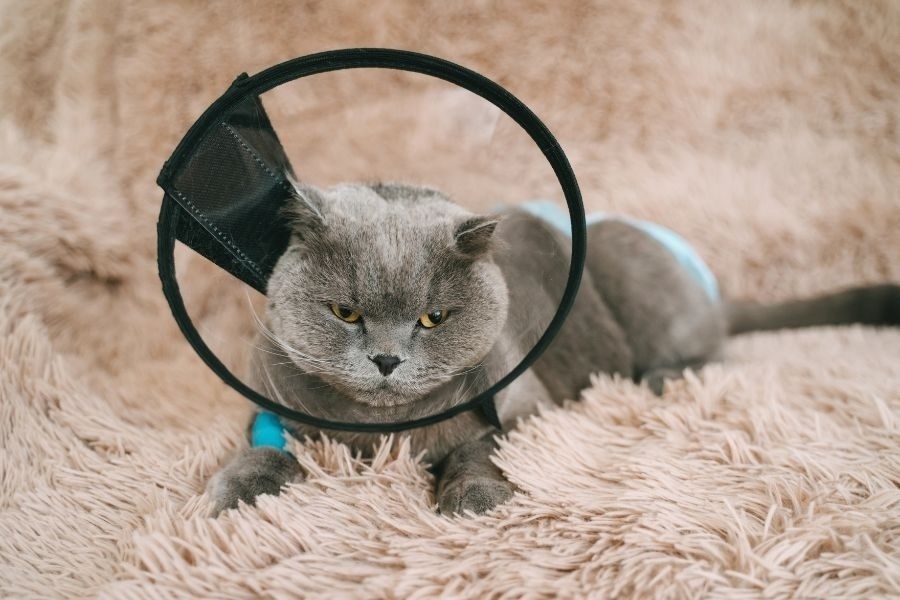
Prepare a quiet indoor space where your cat can rest without needing to jump onto furniture or climb stairs. Provide easy access to food, water, and a clean litter box. Give prescribed medication exactly as directed and use a protective collar if recommended to prevent licking or chewing at the incision.
Monitor your cat’s appetite, energy, comfort, and wound appearance. Contact the veterinary team if symptoms worsen, the incision opens, discharge develops, or your cat repeatedly vomits or refuses food. Breathing difficulty, collapse, or severe pain requires immediate veterinary attention.
Attend all recommended rechecks, even if your cat appears to be improving. Follow-up visits allow the veterinarian to assess healing and determine when activity can safely increase.
Schedule a Follow-Up Consultation at Pine Plains Veterinary Hospital
Learning that your cat may need another procedure can be stressful, but understanding the reason for the recommendation can make the decision easier. A second operation may address a complication, remove remaining abnormal tissue, or treat a condition that has returned.
If your cat has undergone surgery and you notice new symptoms or have concerns about healing, contact Pine Plains Veterinary Hospital in Pine Plains, NY. The veterinary team can assess your cat’s progress, review diagnostic findings, and explain whether further treatment is appropriate. Schedule a consultation to discuss your cat’s recovery, available treatment options, and the care needed to support healing. Clear communication with your veterinarian helps you make informed decisions at every stage of treatment.
Frequently Asked Questions
Q1. Does needing a second surgery mean the first operation failed?
Ans: No. A second procedure may be necessary because of unexpected findings, a recurring condition, incomplete removal of abnormal tissue, or a complication. The veterinarian can explain the specific reason and expected benefit for your cat.
Q2. How soon after the first operation can a cat have another surgery?
Ans: Timing depends on the reason for the additional procedure, the cat’s stability, and how well the tissues are healing. Some problems require prompt intervention, while other procedures can be planned after further testing and recovery.
Q3. Is anesthesia riskier when a cat has already had surgery?
Ans: Previous anesthesia does not automatically make another procedure unsafe. The veterinarian evaluates the cat’s current health, previous anesthetic response, medications, and test results before assessing the risks and planning anesthesia.
Q4. Can medication prevent the need for a second operation?
Ans: In some situations, medication or other nonsurgical treatment may be appropriate. However, complications such as significant tissue separation or certain recurring conditions may require surgery. The right approach depends on the underlying problem.
Q5. What signs suggest my cat may need another veterinary examination after surgery?
Ans: Worsening pain, repeated vomiting, reduced appetite, unusual weakness, increasing incision swelling, discharge, or a wound that opens should prompt veterinary contact. Severe pain, collapse, or breathing difficulty requires immediate attention.