2826 Church Street, Pine Plains, NY 12567

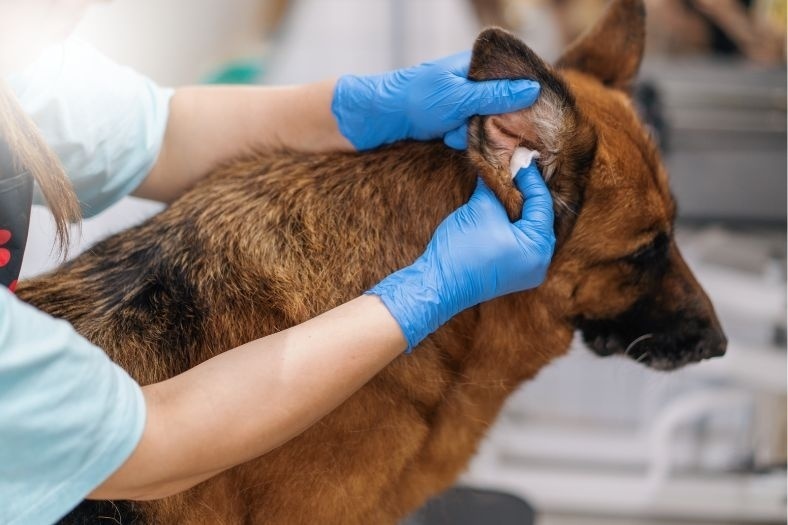
A dog with an ear infection may not show obvious signs of illness at first. You might notice your pet rubbing its head against furniture, scratching one ear more often, or becoming uncomfortable during routine grooming. These changes can indicate irritation inside the ear canal. Recognizing them early helps you understand when urgent vet care may be necessary and when a routine veterinary appointment is appropriate.
Ear infections can develop from several causes, including yeast, bacteria, allergies, and trapped moisture. Without proper evaluation, an initially mild problem can become painful and affect your dog’s daily comfort. Knowing which symptoms deserve attention can help you make informed decisions about your pet’s health.
Recognizing the Early Signs of a Dog Ear Infection
The first symptoms are often behavioral rather than dramatic. Dogs may try to relieve irritation by scratching, shaking their heads, or rubbing their ears against nearby surfaces.
Watch for these common changes:
- Frequent head shaking: Repeated shaking may indicate itching, irritation, or discomfort inside the ear.
- Persistent scratching: Your dog may repeatedly scratch one ear or rub its head along the carpet.
- Unusual odor: A strong or unpleasant smell can develop when yeast or bacteria multiply.
- Redness and inflammation: The ear canal or ear flap may appear irritated or swollen.
- Unusual discharge: Dark, yellowish, or excessive wax buildup may suggest an underlying issue.
- Sensitivity to touch: A dog with an uncomfortable ear may pull away when someone touches its head.
- Reduced interest in activities: Ongoing discomfort can make a normally active dog quieter or less playful.
These symptoms do not automatically confirm an infection. Ear mites, allergies, foreign material, and other conditions can produce similar signs. A veterinary examination is the reliable way to identify the cause.
When Ear Symptoms Require Urgent Vet Care
Not every ear infection needs the same level of attention. However, certain symptoms can indicate significant inflammation, injury, or involvement of deeper ear structures. In these situations, urgent pet care is important.
Severe or Increasing Pain
Whining, yelping, sudden irritability, or refusing to let anyone near the head may indicate considerable discomfort. Avoid repeatedly touching or examining a painful ear at home.
Swelling of the Ear Flap
An ear flap that suddenly becomes puffy, thick, or enlarged may have an aural hematoma. This can happen when repeated scratching or head shaking damages small blood vessels, allowing blood to collect within the flap.
Bleeding or Thick Discharge
Blood, pus-like discharge, or a sudden increase in fluid coming from the ear should be assessed promptly. These changes may be associated with infection, trauma, or significant inflammation.
Head Tilt and Balance Difficulties
A persistent head tilt, stumbling, circling, or difficulty walking normally may suggest that deeper parts of the ear are affected. These symptoms should not be treated as ordinary itching.
Sudden Changes in Hearing or Responsiveness
If your dog stops responding to familiar sounds or seems disoriented, an ear-related problem may be one possible explanation. A veterinarian can assess whether the change is connected to the ear or another health concern.
When severe pain, bleeding, marked swelling, or balance problems occur, seek veterinary guidance without delay.
What Can Trigger Ear Infections in Dogs?
Understanding the possible causes can help owners recognize patterns and discuss recurring problems with their veterinarian.
Some common contributing factors include:
- Allergies: Environmental or food-related allergies can cause inflammation in the skin lining the ear canal.
- Moisture buildup: Water left inside the ear after bathing or swimming may encourage microbial growth.
- Yeast and bacteria: These organisms can multiply when the ear’s normal environment is disrupted.
- Ear mites: Parasites can cause intense itching and irritation, particularly in some younger animals.
- Foreign material: Grass seeds, dirt, or other debris may become trapped inside the ear.
- Ear anatomy: Narrow ear canals, heavy hair, and floppy ear flaps can contribute to moisture retention and limited airflow.
Repeated infections may point to an underlying condition. Treating the infection without addressing that contributing factor can make future episodes more likely.
How Veterinarians Identify the Problem
Several ear conditions can look similar from the outside, so treatment should be based on examination findings rather than symptoms alone.
A veterinary assessment may involve:
- External inspection: Checking the ear flap and surrounding skin for swelling, redness, wounds, or discharge.
- Otoscope examination: Looking inside the ear canal with a specialized instrument to assess inflammation and, when visible, the eardrum.
- Microscopic testing: Examining an ear sample to identify yeast, bacteria, mites, or other material.
- Review of medical history: Discussing previous infections, allergies, swimming habits, and earlier treatments.
Depending on the results, treatment may include prescribed ear medication, professional cleaning, or further investigation of an underlying condition. The appropriate approach varies from dog to dog.
Do not use leftover medication, human ear drops, or household remedies without veterinary approval. Some products may worsen irritation or be unsafe if the eardrum is damaged.
Preventing Recurring Ear Problems Through Routine Care
Although not every infection can be prevented, consistent pet preventive care can help owners recognize changes earlier and manage factors that contribute to recurring irritation.
A few useful habits include:
- Check your dog’s ears regularly for odor, redness, swelling, or unusual discharge.
- Gently dry the outer ear area after swimming or bathing.
- Ask your veterinarian whether routine cleaning is appropriate for your dog’s ear type.
- Use only veterinarian-approved cleaning products.
- Avoid inserting cotton swabs or other objects into the ear canal.
- Keep notes about recurring symptoms, including when they occur and whether they affect one or both ears.
A pet wellness exam is also a useful opportunity to discuss ear health, allergies, and previous infections. Routine examinations allow the veterinary team to review changes in your dog’s overall condition and recommend care based on individual needs.
Getting Veterinary Support in Pine Plains
For dog owners in Pine Plains, persistent ear scratching, repeated head shaking, or unusual discharge should not be dismissed as minor grooming concerns. These symptoms can have several causes, and an examination can help determine whether your dog needs treatment.
If symptoms become painful or are accompanied by swelling, bleeding, or balance difficulties, seek urgent vet care rather than waiting for a routine checkup. Prompt attention can help limit discomfort and reduce the risk of complications.
Schedule an Online Appointment
If your dog has been showing signs of ear irritation, arrange a veterinary assessment to understand what is causing the problem. Early evaluation can help establish an appropriate treatment plan and provide guidance for ongoing ear health.
Pine Plains Veterinary Hospital can help assess your dog’s symptoms and discuss suitable care. Use the hospital’s online appointment or booking option, if available, to arrange a visit.
Call Our Veterinary Team
Would you like guidance about your dog’s symptoms or help arranging an examination? Call our veterinary team at 518-398-9494 to discuss your concerns and plan the next step.
Frequently Asked Questions
Q1. Can an ear infection affect a dog’s appetite?
Ans: It can. A dog experiencing significant ear pain may become less interested in food, especially if moving its head or chewing seems uncomfortable. Appetite changes can also have unrelated causes. If your dog stops eating or develops additional symptoms, arrange a veterinary assessment rather than assuming the ear is the only problem.
Q2. Why might a dog have an ear infection in only one ear?
Ans: An infection affecting one ear may be linked to a localized issue, such as trapped debris, a foreign object, or irritation in that particular canal. Other conditions, including allergies, can affect both ears. A veterinary examination helps distinguish between these possibilities and identify the appropriate treatment.
Q3. Can puppies develop ear infections?
Ans: Yes. Puppies can develop ear infections due to parasites, moisture, irritation, or other causes. They may show symptoms through frequent scratching, head shaking, or discomfort when their ears are touched. Because young dogs may be more vulnerable to certain parasites, unusual ear symptoms should be evaluated rather than treated with unapproved products.
Q4. Can an ear infection return after treatment?
Ans: Yes. Some dogs experience recurring infections, particularly when an underlying factor such as allergies or ear anatomy has not been addressed. Completing the prescribed treatment and following the veterinarian’s recommendations are important. If symptoms return, arrange another examination instead of reusing medication from a previous episode.
Q5. Should dogs with recurring ear infections have a special care routine?
Ans: Some dogs benefit from an individualized ear-care plan based on their medical history, lifestyle, and ear structure. This may include periodic checks, veterinarian-approved cleaning, or management of allergies. Ask your veterinarian how frequently your dog’s ears should be examined and whether any specific home-care steps are appropriate.