2826 Church Street, Pine Plains, NY 12567
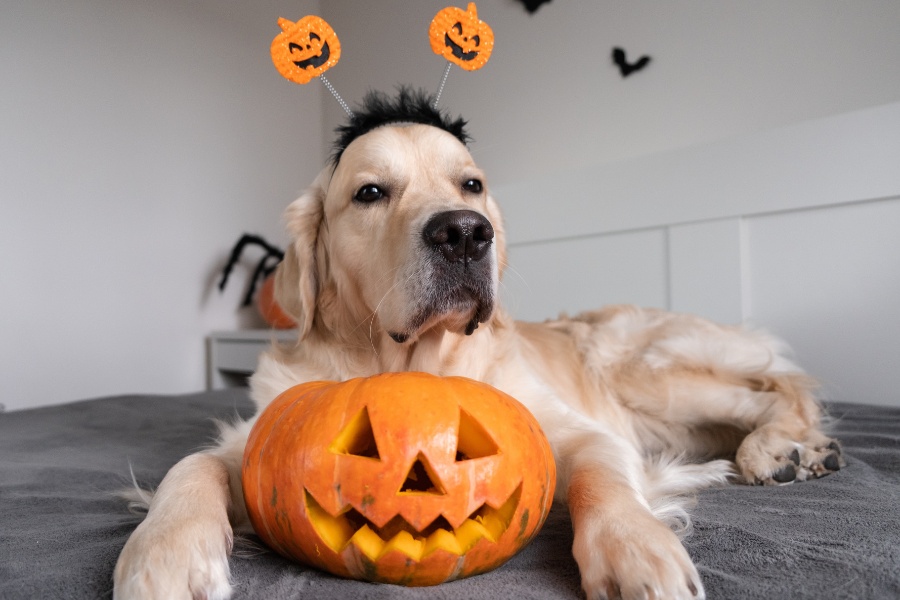
Hay bales, corn stalks, pumpkins, and rustic outdoor decorations bring the colors of autumn to Halloween celebrations. Whether displayed on a front porch, beside a driveway, or across a country garden, these seasonal decorations create a welcoming fall atmosphere. However, natural materials and outdoor props can pose risks for curious dogs and cats that like to sniff, chew, climb, and explore.
For pet owners searching for a veterinarian in Pine Plains, preparing outdoor displays with animal safety in mind is an important part of seasonal planning. Hay can become damp, corn stalks may have sharp edges, and loose twine or unstable props can cause injuries. A few practical precautions can help your family enjoy Halloween decorations while making the yard safer for your four-legged companions.
Understand the Risks of Natural Halloween Decorations
Natural decorations may look harmless, but their condition can change throughout the season. Rain, wind, and temperature changes can loosen materials, damage props, and encourage mold growth. Decorations placed close to the ground may also attract insects and wildlife, creating new points of interest for pets.
Dogs might pull apart hay bales or chew on dried plant material, while cats may climb corn stalks or investigate gaps between decorations. These behaviors can expose animals to sharp plant fragments, tangled fibers, or materials they should not swallow.
Before decorating, consider how your pet uses the yard. Notice where your dog usually runs, where your cat likes to climb, and which paths lead to doors or outdoor resting areas. Position displays away from these routes and leave enough room for pets to move comfortably without brushing against props.
Prevent Scratches From Corn Stalks and Dry Leaves
Corn stalks are popular for autumn displays, but their stiff leaves and pointed ends may scratch a pet’s nose, ears, eyes, or paws. As stalks dry, their leaves can become brittle and break into smaller pieces. A dog running through a loosely arranged bundle or a cat climbing between stalks could be injured.
Secure corn stalks firmly so they do not topple when bumped or blown by the wind. Keep sharp ends away from narrow walkways, steps, gates, and entrances. If a stalk has a particularly rough or pointed section, remove it or reposition the decoration where pets cannot reach it.
Inspect the ground around your display regularly. Fallen leaves, broken stalks, and dried plant fragments may be tempting for pets to chew. Swallowed plant material can irritate the mouth or digestive tract, particularly when animals consume larger pieces.
If your pet develops persistent eye irritation, begins limping, or appears to have plant material lodged in its skin, mouth, or eye, contact your veterinary team. Avoid trying to remove deeply embedded pieces yourself.
Keep Hay Bales Dry and Properly Secured
Hay bales add height and texture to Halloween displays, but unstable stacks can fall when a pet pushes against them or attempts to climb. Even a relatively small bale may cause an injury if it rolls onto a paw or traps an animal.
Place bales on a level, stable surface and arrange them so they cannot easily tip over. Avoid tall stacks that encourage pets to climb or create spaces where animals could become trapped. Keep hay away from frequently used entrances, pet beds, and feeding areas.
Moisture is another concern. Hay exposed to rain or damp ground may develop mold, and dusty or deteriorating materials can irritate sensitive airways. Check bales for dampness, unusual discoloration, or a musty odor. Replace damaged material and prevent pets from chewing or resting on moldy hay.
Hay may also contain dust, seeds, and debris. If your pet sneezes repeatedly, coughs, scratches its face, or seems uncomfortable after spending time around a display, move it away from the material and seek veterinary advice if symptoms persist or worsen.
Remove Loose Twine, Wire, and Plastic Ties
Hay bales and corn stalk bundles are often secured with twine, cord, wire, or plastic ties. These materials may loosen as the display shifts. Dangling strands can attract cats that enjoy batting at moving objects and dogs that like to chew.
Swallowing string-like materials can cause serious digestive complications. Exposed wire and sharp fasteners may also injure the mouth, paws, or skin. Check decorations regularly and replace damaged ties with secure fasteners that do not leave sharp ends or loose loops.
Keep spare twine, scissors, wire cutters, staples, and other tools in closed storage after decorating. Pick up small pieces immediately instead of leaving them on the porch or lawn. Inspect the display from your pet’s height to identify loose materials that may be difficult to notice while standing.
If you suspect your pet has swallowed twine, string, or wire, contact a veterinarian promptly. Never pull a strand that is visible from the mouth or rear end, as doing so could cause additional injury.
Make Pumpkins, Gourds, and Corn Decorations Safer
Pumpkins and gourds are common features of Halloween displays. However, carved pumpkins may contain candle residue, decorative coatings, glitter, or other materials that should not be eaten. As pumpkins deteriorate, they may also become moldy and attract insects.
Position decorated pumpkins where pets cannot chew them or knock them over. If you carve pumpkins, keep knives and carving tools out of reach and remove leftover pieces promptly. Battery-operated lights can reduce the risk of burns when used according to the manufacturer’s instructions.
Corn decorations require similar care. Dried kernels, husks, and cobs may tempt animals to chew or swallow them. Larger pieces can create choking or digestive obstruction risks. Remove fallen corn and plant debris from the ground before allowing pets to investigate the display.
Inspect pumpkins and gourds after wet weather and discard those that become soft, moldy, or damaged. Clean the surrounding area so pets cannot reach spoiled scraps or other discarded materials.
Check Outdoor Displays for Hidden Hazards
Halloween displays often combine natural decorations with artificial props, electrical lights, and seasonal accessories. Plastic ornaments, metal stakes, decorative mesh, and exposed wires can introduce additional risks.
Secure electrical cords along walls or away from pet walking routes. Keep cords out of puddles and chewing reach, and replace damaged equipment. Avoid decorations with jagged edges or small pieces that can easily break off.
Artificial cobwebs and netting should be placed where pets cannot become tangled. Wind may also move lightweight props across the yard, leaving them in unfamiliar places. After strong winds or heavy rain, inspect the display for fallen stakes, broken plastic, exposed wire, and sharp fragments hidden among leaves or hay.
Keep decorations separate from food bowls, water stations, and favorite resting spots. This helps reduce repeated contact with props and makes it easier to maintain a clean, comfortable space for your pet.
Supervise Pets During Halloween Celebrations
Even a carefully arranged display can become less safe when visitors arrive or decorations are moved. Excited pets may run through the yard, chew on props, or approach unfamiliar people. Frequent door opening can also create opportunities for an animal to wander away.
Supervise dogs and cats when they are near outdoor displays. If your pet regularly chews plant material or climbs decorations, consider keeping it in a secure area away from the display during busy periods. Check gates and fencing before letting pets outside.
Provide a quiet resting space with familiar bedding, fresh water, and toys. After Halloween activities, collect discarded food wrappers, broken decorations, loose plant pieces, and other debris before allowing pets to explore the area again.
Recognize When Your Pet Needs Veterinary Care
Check your pet for unusual behavior after time around hay bales, corn stalks, or outdoor props. Signs of a possible problem include limping, repeated paw licking, coughing, sneezing, vomiting, eye irritation, or discomfort when touched.
The appropriate response depends on the suspected injury. Deep cuts, persistent bleeding, difficulty breathing, repeated vomiting, severe pain, or suspected ingestion of wire or string require prompt veterinary assessment. If you believe your pet has swallowed a foreign object or contacted moldy material, explain what happened to your veterinary team.
Avoid giving human medication or attempting home treatments without professional guidance. If possible, take a photograph of the decoration involved and note when the exposure occurred. These details may help the veterinary team determine the appropriate next steps.
Enjoy a Pet-Safer Halloween With Pine Plains Veterinary Hospital
Hay bales, corn stalks, pumpkins, and rustic outdoor displays can make Halloween special, but they need regular attention when pets share the space. Secure natural decorations, remove loose twine and sharp plant fragments, keep hay dry, and inspect outdoor areas after bad weather. Supervision and routine cleanup can help reduce the risk of avoidable injuries.
If you have concerns about your pet after contact with seasonal decorations, contact our veterinary hospital in Pine Plains for guidance. Visit the hospital’s website or call the team to ask about available appointment options and vet care. With a little preparation, your family can enjoy the autumn season while helping your pets stay comfortable and safe.
Frequently Asked Questions
Q1. Can hay bales make dogs or cats sick?
Ans: Damp or moldy hay may irritate the airways, while swallowed plant material can cause digestive problems. Keep pets away from deteriorating hay and inspect decorations regularly.
Q2. Are corn stalks safe to use around pets?
Ans: Corn stalks can have stiff, pointed leaves that scratch the eyes, nose, or paws. Secure them properly, keep them away from walking paths, and remove loose plant fragments.
Q3. What should I do if my dog swallows twine from a hay bale?
Ans: Contact your veterinarian promptly and explain what your dog may have swallowed. Do not pull any strand visible from the mouth or rear end, and do not induce vomiting unless a veterinary professional instructs you to do so.
Q4. Can pets eat pumpkins used in Halloween decorations?
Ans: Keep pets away from decorated pumpkins, painted gourds, and moldy scraps because coatings or spoiled material may be harmful. Prevent access to carving tools and discarded pumpkin pieces as well.
Q5. How often should I inspect Halloween decorations outdoors?
Ans: Inspect displays when setting them up, after strong winds or rain, and regularly throughout the season. Look for loose fasteners, unstable hay bales, sharp stalks, mold, and broken props.