2826 Church Street, Pine Plains, NY 12567
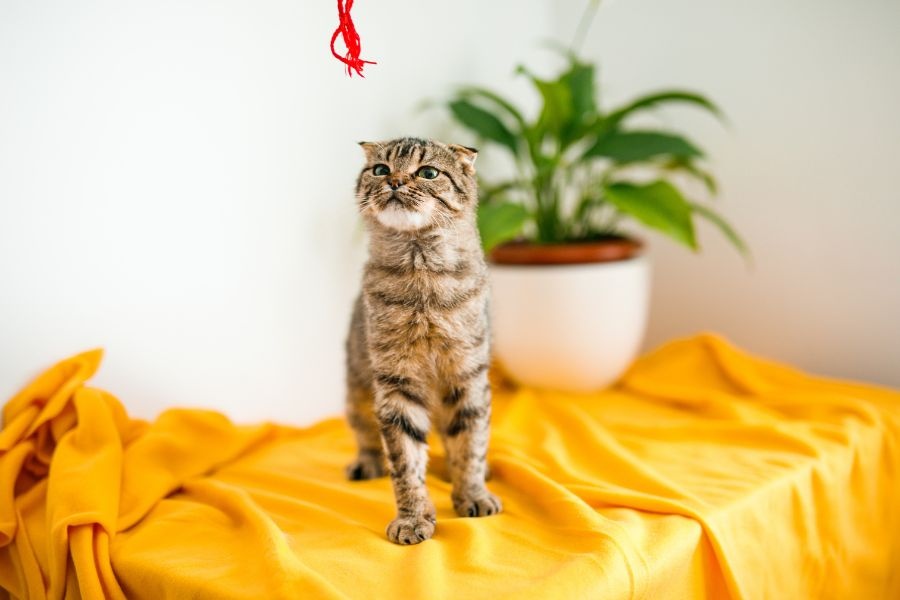
Sharing your home with a loyal dog or an independent cat brings unmatched warmth to our daily routines. From the excited tail wags that greet us at the door to the quiet comfort of a purring cat curled in our laps, our animal companions truly become the heartbeat of our homes. As devoted pet parents, we strive to give them the best possible life through nutritious meals, cozy bedding, and endless playtime. Yet, as our beloved companions age or face unexpected injuries, watching them struggle with mobility and physical discomfort can be heartbreaking. Fortunately, modern veterinary medicine has evolved far beyond traditional medication alone, introducing innovative techniques that change how we approach animal healing.
When pets experience joint stiffness, arthritis, or post-surgical soreness, finding the right path forward is a top priority for caring owners. Integrating advanced, non-invasive treatment modalities sets progressive animal care apart, offering gentle ways to restore comfort without heavy reliance on pharmaceutical drugs. Utilizing techniques like focused photobiomodulation and targeted conditioning helps reduce inflammation, speed up recovery timelines, and soothe chronic aches. Here at Pine Plains Veterinary Hospital, our clinical team frequently assists families in exploring how specialized pet pain management and progressive veterinary rehabilitation services can transform an animal’s daily quality of life. Let us dive into how these modern therapies work to help your pet heal.
Understanding Why Pets Hide Physical Discomfort
In the wild, showing signs of physical weakness or pain makes an animal an immediate target for predators. Our modern domestic dogs and cats inherit this deeply ingrained survival instinct, meaning they are absolute masters at masking aches, joint stiffness, and internal discomfort. A dog with sore hips will often still try to fetch a ball, and a cat with a stiff spine will continue to jump onto furniture, hiding their true suffering behind a brave face.
Because pets rarely cry out or limp dramatically until a condition has advanced significantly, recognizing subtle behavioral changes is vital. Reluctance to use stairs, hesitation when rising from a nap, decreased playfulness, or unkempt grooming habits are all quiet cries for help. Traditional pharmaceuticals have long played a role in relief, but many modern pet parents look for holistic, drug-free pain management for dogs and cats to protect their companion’s long-term organ health while maximizing daily comfort.
The Healing Power of Pet Laser Therapy for Pain Relief
One of the most exciting breakthroughs in modern veterinary care involves the use of therapeutic light energy to stimulate deep tissue repair. Often referred to as photobiomodulation, pet laser therapy for pain relief uses specific wavelengths of light to interact with damaged or compromised cellular tissues.
When the light energy penetrates deep into muscles, tendons, and joints, it triggers a cascade of positive biological responses:
- Accelerated Cellular Regeneration: The light stimulates mitochondrial activity, helping cells repair and reproduce much faster following an injury or surgery.
- Reduced Inflammation and Edema: Laser applications significantly decrease swelling by dilating blood vessels and activating the lymphatic drainage system.
- Release of Endorphins: The treatment stimulates the body’s natural opioid production, providing immediate natural pain relief without chemical side effects.
- Nerve Signal Blunting: It temporarily blocks nerve transmission of pain signals to the brain, giving pets instant relief from chronic aches.
This completely painless procedure takes only a few minutes per session, making it a stress-free experience for dogs and cats alike.
Restoring Mobility Through Veterinary Rehabilitation Services
Beyond light-based modalities, structured physical rehabilitation has transformed how animals recover from major orthopedic surgeries, neurological events, and degenerative conditions. Just like human athletes benefit from physical therapy after a knee injury, our four-legged family members thrive when given targeted exercises designed to rebuild lost muscle mass and restore joint flexibility.
Comprehensive veterinary rehabilitation services often incorporate a variety of custom techniques, including active and passive range-of-motion exercises, balance board training, and assisted muscle-strengthening routines. By working closely with trained professionals, pets regain their coordination, protect their surrounding joints from future injury, and return to their favorite activities with renewed confidence and energy.
Managing Chronic Pain Without Heavy Medication Dependence
Addressing long-term discomfort, particularly conditions like osteoarthritis or hip dysplasia, requires a thoughtful, multi-modal strategy. While prescription medications are sometimes necessary, relying on them heavily over years can place unnecessary metabolic strain on a pet’s liver and kidneys.
Implementing a comprehensive chronic pain treatment plan that blends laser sessions, physical exercises, weight management, and environmental home modifications offers a safer, more sustainable path. Taking weight off sore joints through proper nutrition combined with non-invasive therapies ensures your companion enjoys maximum comfort and long-term vitality.
Partnering with Your Local Pine Plains Animal Care Team
Navigating your companion’s wellness and recovery journey is always easier when you have a dedicated group of professionals in your corner. Blending your careful observations at home with our advanced therapeutic options creates an unbeatable safety net for your pet.
The staff at Pine Plains Veterinary Hospital loves welcoming local pet families through our doors. Whether your furry friend is recovering from an operation, slowing down from age-related joint stiffness, or exploring new relief options, we are ready to help. Reach out to our friendly clinic today to chat with our team and schedule a comprehensive consultation tailored to your pet’s unique healing needs.
Frequently Asked Questions
Q1. Is pet laser therapy painful or uncomfortable for dogs and cats during a session?
Ans: No, laser therapy is completely painless and often provides a warm, soothing sensation that many pets find relaxing, requiring no sedation or clipping.
Q2. How many rehabilitation or laser sessions will my pet need to see noticeable results?
Ans: The number of sessions depends on the specific condition being treated, though many pet parents observe positive improvements in mobility and comfort within just a few visits.
Q3. Can non-invasive therapies completely replace prescription pain medications for my pet?
Ans: While some pets successfully reduce their medication dependence, laser therapy and rehabilitation are often most effective when used alongside veterinary guidance as part of a multi-modal plan.
Q4. Are these modern healing therapies suitable for older senior cats and dogs?
Ans: Yes, senior pets struggling with age-related stiffness and arthritis benefit immensely from gentle, non-invasive therapies because they avoid harsh impacts on internal organs.
Q5. How can I prepare my dog or cat for their first physical rehabilitation evaluation?
Ans: You can prepare by noting your pet’s specific daily movement challenges, bringing a list of current medications, and maintaining a calm, reassuring presence during the visit.