2826 Church Street, Pine Plains, NY 12567

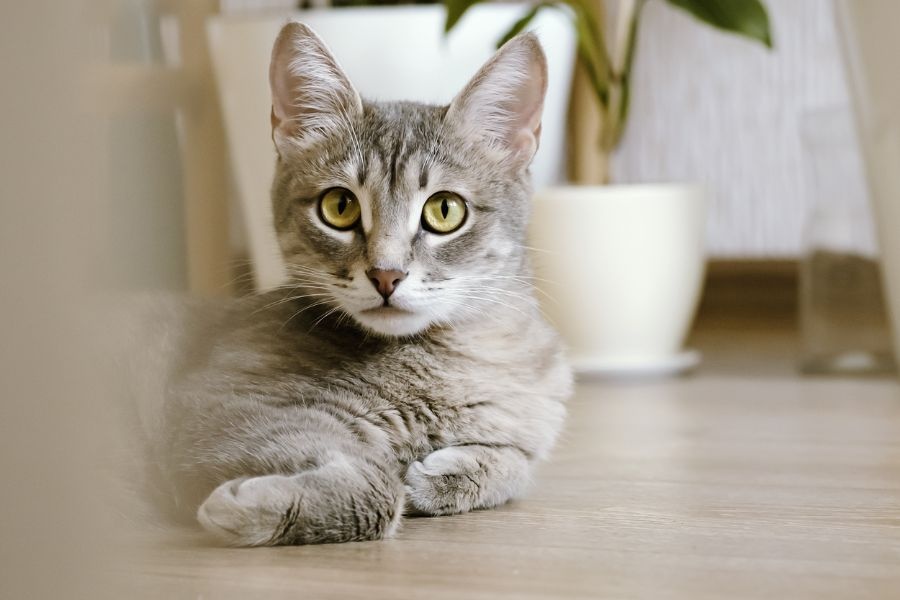
As pets grow older, changes in activity are often treated as a normal part of aging. A senior dog may take longer to get up, while an older cat may spend more time resting. However, these changes can sometimes point to discomfort that should not be overlooked. Pain can affect how a pet moves, sleeps, eats, interacts with family, and enjoys everyday activities. With thoughtful veterinary care, many pets can remain comfortable and engaged throughout their senior years.
For pet parents in Pine Plains, understanding the connection between discomfort and mobility is an important part of supporting an aging companion. A personalized pain management plan can help veterinarians identify sources of discomfort and develop strategies that support movement and quality of life. At Pine Plains Veterinary Hospital, discussions about changes in behavior and activity can help guide appropriate care for senior pets.
Why Older Pets May Become Less Active
Aging affects every pet differently. Some dogs naturally slow down as they mature, while others remain playful well into their senior years. Cats may become less interested in jumping or climbing. Although gradual changes can occur with age, a noticeable decrease in activity deserves attention.
Joint discomfort is one common reason for reduced mobility. Ongoing wear in the joints can make activities such as climbing stairs, running, jumping, or standing more difficult. Muscle loss can also affect stability and endurance. Other health conditions may contribute to weakness or changes in normal movement.
Pets are also skilled at hiding discomfort. Rather than crying or showing obvious signs, they may simply change their routine. A dog may stop bringing a toy to the family or avoid long walks. A cat may stop jumping onto furniture or choose a lower sleeping area.
Recognizing these subtle changes gives pet parents an opportunity to discuss them with a veterinarian before they significantly affect daily life.
Signs That Your Pet May Be Experiencing Pain
Pain does not always look the way people expect. A pet may continue eating and interacting with family while quietly adjusting activities to avoid discomfort.
Some signs to watch for include:
- Difficulty getting up or lying down
- Reluctance to use stairs
- Reduced interest in walks or play
- Changes in sleeping habits
- Restlessness or frequent repositioning
- Increased irritability when touched
- Excessive licking of a particular area
- Changes in posture or walking pattern
- Less grooming in cats
- Avoiding jumping onto familiar surfaces
- Reduced social interaction
- Changes in appetite or normal bathroom habits
One symptom alone does not always indicate pain. However, a combination of changes can provide useful information for a veterinary team. Keeping notes about when the changes began and which activities seem difficult can make a veterinary consultation more productive.
How Pain Can Affect Daily Activity
When movement becomes uncomfortable, pets often modify their behavior to protect themselves. A dog that once enjoyed a morning walk may begin stopping frequently or turning around early. A cat that used to climb onto a favorite window perch may remain on the floor instead.
Reduced movement can create a cycle. Less activity may contribute to reduced muscle strength and endurance. As strength declines, everyday movements can become more challenging. This can lead to even less activity.
Managing discomfort can help interrupt this cycle when appropriate. The goal is not simply to make a pet move more. Instead, veterinary care focuses on helping the pet participate safely in activities that support strength, mobility, and overall well being.
What a Veterinarian Looks For During an Evaluation
Before developing a pain management plan, a veterinarian needs to understand what may be causing the discomfort. The evaluation may include a physical examination, discussion of the pet’s medical history, observation of movement, and other diagnostic procedures when appropriate.
The veterinarian may assess joint flexibility, muscle condition, posture, walking patterns, and areas that appear sensitive. Information from the pet parent is equally valuable because many changes happen at home rather than in the clinic.
Depending on the findings, additional testing may be recommended to better understand the underlying condition. This allows treatment decisions to be based on the individual pet rather than relying only on age or visible symptoms.
Personalized Pain Management for Senior Pets
There is no single approach that works for every aging pet. A veterinarian may consider the pet’s age, size, breed, health history, lifestyle, and underlying conditions when creating a plan.
Pain management may involve prescribed medication, weight management, controlled activity, environmental adjustments, physical rehabilitation, or a combination of approaches. Your veterinarian can explain which options are appropriate for your pet and how they should be used.
Never give a pet medication intended for people unless a veterinarian specifically instructs you to do so. Some human medications can be harmful to animals, even in small amounts.
Regular follow up is also important. A plan that works well initially may need adjustments as a pet’s health or activity level changes. Monitoring appetite, energy, mobility, sleep, and behavior helps the veterinary team understand how the pet is responding.
The Importance of Maintaining a Healthy Weight
Weight can have a meaningful effect on mobility and comfort. Extra body weight places additional stress on joints and can make movement more demanding. For older pets that already have mobility challenges, maintaining an appropriate body condition may support easier movement.
A veterinarian can assess your pet’s body condition and help determine an appropriate nutrition and activity plan. Weight changes should be gradual and tailored to the pet’s individual health needs.
Keeping track of weight at regular veterinary visits can also help identify changes that may otherwise be overlooked. Nutrition and pain management can work together as part of a broader senior pet care strategy.
Making the Home Easier for an Aging Pet
Small changes around the home can make everyday activities more manageable. Dogs and cats with mobility concerns may benefit from nonslip surfaces in areas where they walk frequently. Keeping food, water, and resting areas easily accessible can also reduce unnecessary strain.
For cats, providing steps or carefully positioned platforms near favorite locations may make it easier to reach familiar spaces. For dogs, comfortable bedding and clear walking paths can support easier movement around the home.
Outdoor routines may also need adjustment. Shorter walks at a comfortable pace can be more appropriate than prolonged exercise. Your veterinarian can help determine which activities fit your pet’s condition.
Why Regular Veterinary Visits Matter
Senior pets benefit from consistent veterinary monitoring because health changes can develop gradually. A pet may appear generally well while experiencing discomfort that affects movement or behavior.
Routine visits provide an opportunity to discuss small changes before they become major limitations. Your veterinarian can compare current findings with previous examinations and determine whether additional evaluation or adjustments to the care plan are appropriate.
Pet parents can also help by recording changes at home. Short videos of a pet walking, climbing stairs, getting up, or interacting with toys can sometimes provide useful information when mobility changes are subtle.
Supporting Quality of Life as Pets Age
Pain management is about more than treating discomfort. It is about helping pets continue participating in the activities that make their lives enjoyable. For one pet, that may mean taking a gentle walk with the family. For another, it may mean comfortably reaching a favorite sleeping spot or playing for a few minutes each day.
Senior pets can have changing needs, and their care should evolve with them. Paying attention to behavior, movement, appetite, sleep, and social habits can help pet parents recognize when something has changed.
If your aging pet is moving less, avoiding favorite activities, or showing changes in behavior, talk with your veterinarian. Early attention can help identify possible causes and provide an opportunity to create a care plan focused on comfort, mobility, and quality of life.
Schedule a Senior Pet Care Consultation in Pine Plains
If you have noticed changes in your pet’s mobility, sleep, activity level, or behavior, consider scheduling a veterinary appointment with Pine Plains Veterinary Hospital. A professional evaluation can help determine whether discomfort may be affecting your pet and whether pain management could be part of their care plan.
Contact Pine Plains Veterinary Hospital to schedule an appointment and discuss your senior pet’s changing needs. With ongoing veterinary guidance and attentive home care, you can help your companion stay comfortable, active, and involved in family life as they grow older.
Frequently Asked Questions
Q1. How can I tell if my senior pet is experiencing pain?
Ans: Look for changes such as difficulty standing, reluctance to walk or jump, altered sleeping habits, reduced play, unusual irritability, changes in posture, or decreased grooming. Even subtle changes are worth discussing with your veterinarian.
Q2. Can pain management help my older pet stay active?
Ans: It may help improve comfort and make appropriate movement easier when pain is contributing to reduced activity. A veterinarian can determine whether pain is involved and recommend a plan suited to your pet’s health and lifestyle.
Q3. Should I encourage my aging dog or cat to exercise more?
Ans: Activity should be appropriate for the pet’s condition. Pushing an uncomfortable pet too hard may cause additional problems. Your veterinarian can recommend suitable activity levels and ways to maintain movement safely.
Q4. Can changes at home help an older pet with mobility problems?
Ans: Yes. Nonslip surfaces, accessible food and water, comfortable bedding, clear walking paths, and easier access to favorite areas may reduce unnecessary strain. Your veterinarian can suggest changes based on your pet’s needs.
Q5. How often should a senior pet have veterinary checkups?
Ans: The appropriate schedule depends on your pet’s age, health history, species, and current needs. Regular examinations allow veterinarians to monitor changes and adjust care when necessary. Ask your veterinary team how often your pet should be evaluated.