2826 Church Street, Pine Plains, NY 12567

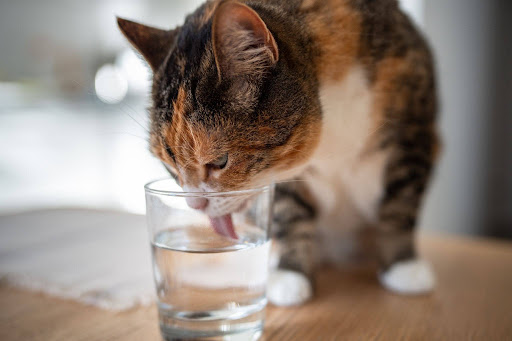
Water is one of the simplest parts of your pet’s daily routine, yet changes in drinking habits can provide useful information about overall health. Because dogs and cats cannot explain how they feel, observing everyday behaviors can help pet owners notice changes that may otherwise go unnoticed.
You may already pay attention to your pet’s appetite, energy, or bathroom habits, but water intake deserves similar attention. A noticeable increase or decrease in drinking does not automatically mean that your pet has a health problem. However, a persistent change from your pet’s normal pattern is worth discussing with a veterinarian.
Monitoring water intake between appointments is a practical part of pet preventive care. For pet owners in Pine Plains, regular observations at home combined with veterinary examinations at Pine Plains Veterinary Hospital can help create a more complete picture of a pet’s ongoing health.
Know What Is Normal for Your Pet
There is no single drinking pattern that applies equally to every dog or cat. Water intake can vary according to body size, diet, activity level, environmental conditions, and individual habits.
A pet that eats primarily moist food may appear to drink less from its water bowl than a pet eating dry food. Similarly, an active dog may drink more after exercise or spending time outdoors.
Rather than focusing only on an exact amount, become familiar with your pet’s usual behavior. Notice how often your pet visits the water bowl and whether the amount appears consistent from day to day.
Knowing this baseline makes it easier to recognize meaningful changes.
Why Increased Water Intake Matters
A pet that suddenly begins drinking much more than usual may be responding to changes in activity, weather, diet, or another factor. In some situations, however, increased thirst can occur alongside certain health conditions.
The important point is not to assume a diagnosis based on drinking alone. Instead, consider the change in context.
Has your pet also started urinating more frequently? Has appetite changed? Is your pet losing or gaining weight? Are there differences in energy or behavior?
These details can help your veterinarian determine whether the change in drinking deserves further evaluation.
A Decrease in Drinking Can Also Be Important
Pet owners sometimes focus more on excessive drinking, but reduced water intake can also be worth noticing. A pet that normally drinks regularly but suddenly shows little interest in water may be experiencing a change that deserves attention.
Reduced drinking may occur for many reasons. Changes in diet, activity, environment, or daily routine can influence water consumption. A pet may also drink differently when it is not feeling well.
If the change persists or occurs along with other unusual signs, contact your veterinarian. Your observations can help the veterinary team decide what to evaluate during the visit.
Water Intake and Urination Are Connected
Drinking and urination are closely related parts of a pet’s daily routine. This means it can be useful to monitor both rather than looking at water consumption in isolation.
If your pet appears to be drinking more and also urinating more frequently, make a note of the pattern. Similarly, changes in bathroom habits alongside reduced drinking can provide additional context.
You do not need to measure every trip outside or every litter box visit. Simply recognizing a noticeable departure from your pet’s normal routine can give your veterinarian useful information.
Diet Can Change Drinking Habits
Food plays a role in how much water a pet receives each day. Pets that consume foods with different moisture levels may naturally have different drinking patterns.
Treats and changes in feeding routines can also influence daily habits. If you recently changed your pet’s food, mention that when discussing changes in water intake with your veterinarian.
A veterinarian can consider dietary factors along with weight, activity, bathroom habits, and other health information when evaluating your pet.
This is another reason pet wellness care should consider the whole animal rather than focusing on one isolated behavior.
Activity and Weather Can Affect Water Needs
Environmental conditions can influence how much your pet drinks. Dogs that spend more time outdoors during warmer weather may naturally seek water more frequently.
Increased physical activity can also affect drinking. A long walk, extended play session, or active day may temporarily change your pet’s water intake.
These temporary changes are not necessarily concerning. What matters is whether drinking returns to your pet’s usual pattern or whether the change continues without an obvious explanation.
Keeping your pet’s water fresh and accessible throughout the day is also an important part of maintaining a healthy routine.
Changes in Water Intake Can Come With Other Signs
Water consumption becomes more informative when considered alongside other changes.
For example, a pet that drinks more while also losing weight, changing appetite, urinating more often, or becoming less active may warrant a veterinary evaluation.
Likewise, a pet that drinks less and also appears tired, eats less, or behaves differently should not have those changes dismissed simply because there is no obvious cause.
Write down what you notice and when it began. A short timeline can help your veterinarian understand whether several changes started around the same time.
What Your Veterinarian May Consider
When you report a change in drinking behavior, your veterinarian may ask questions about diet, activity, urination, appetite, weight, medications, and other daily habits.
A physical examination can provide additional information about your pet’s overall condition. Depending on the findings, your veterinarian may recommend diagnostic testing to investigate the change more closely.
Testing may help evaluate different aspects of health when the history and examination suggest that additional information is needed.
The purpose of pet preventive care is not to test every pet for every possible condition. Instead, the goal is to use relevant information to decide what evaluation is appropriate for the individual animal.
Keep Simple Notes Between Visits
You do not need a complicated health tracking system. A simple notebook or phone note can be enough.
Record observations such as:
- Noticeable changes in water consumption
- Changes in appetite
- Increased or decreased urination
- Changes in weight
- Activity or energy differences
- Changes in sleeping or behavior
- Recent diet or routine changes
These notes can be especially useful when a change happens gradually. By the time a veterinary appointment arrives, it can be difficult to remember exactly when a new behavior began.
Water Monitoring Is Especially Useful for Cats
Cats can be particularly subtle when their daily habits change. Some cats have consistent drinking routines, while others drink very little from a traditional bowl.
Because cats may spend much of their time indoors and use a litter box privately, changes in drinking and urination may be easier to overlook.
Pay attention to repeated trips to the water source, changes in litter box habits, or a noticeable difference in your cat’s normal routine.
If you observe a persistent change, mention it during your cat’s veterinary examination.
Make Water Observation Part of Pet Wellness Care
Monitoring your pet’s water intake is not about worrying over every sip. It is about becoming familiar with normal habits and recognizing meaningful changes.
When combined with regular examinations, weight monitoring, nutrition, activity observation, and attention to behavior, water monitoring becomes one small but useful part of pet wellness care.
For Pine Plains pet owners, Pine Plains Veterinary Hospital can help you understand which changes deserve further evaluation and how your pet’s individual health needs may influence their routine care.
Know When to Contact Your Veterinarian
If your pet’s water intake changes noticeably and the pattern continues, consider contacting your veterinarian. It is particularly useful to mention the change if it occurs alongside altered appetite, urination, weight, activity, or behavior.
Avoid trying to determine the cause based on drinking habits alone. A veterinary examination can provide the appropriate context and help determine whether additional evaluation is needed.
Your observations from home can make that appointment more productive because they give your veterinarian information about what happens between routine visits.
Support Your Pet’s Health All Year
Good pet health is built through consistent habits. Fresh water, appropriate nutrition, regular activity, observation at home, and routine veterinary visits all contribute to a practical approach to long-term care.
Water intake may seem like a small detail, but it can become a useful part of your pet’s health history. Learning what is normal for your dog or cat makes it easier to recognize when something has changed.
For families in Pine Plains, working with Pine Plains Veterinary Hospital can help turn those everyday observations into a thoughtful pet preventive care routine.
Schedule Your Pet’s Routine Appointment
If you have noticed a persistent change in your pet’s drinking habits or other daily behaviors, consider scheduling an appointment with Pine Plains Veterinary Hospital in Pine Plains.
Online appointment booking can make it easier to keep your pet’s routine veterinary care on track. Bring any notes about changes in water intake, appetite, urination, weight, activity, or behavior so your veterinarian can consider the complete picture.
Frequently Asked Questions
Q1. How can I tell if my pet is drinking more water than usual?
Ans: Become familiar with your pet’s normal drinking routine and watch for a noticeable, persistent increase. Changes in urination, appetite, weight, or activity can provide additional context.
Q2. Should I be concerned if my pet suddenly drinks less water?
Ans: A temporary change can have several explanations, including changes in diet or activity. If reduced drinking persists or occurs with other unusual signs, discuss it with your veterinarian.
Q3. Does my pet’s diet affect how much water it drinks?
Ans: Yes. Foods with different moisture levels can influence how much water a pet obtains from food and how much it drinks separately from meals.
Q4. Why should I monitor water intake between veterinary visits?
Ans: Regular observation helps you recognize your pet’s normal habits and notice changes that may be useful to discuss during pet wellness care appointments.
Q5. What other changes should I track along with water intake?
Ans: Appetite, urination, weight, activity, sleeping patterns, and behavior can all provide useful context when your veterinarian evaluates a change in drinking habits.